
Factors That Affect Paint Pricing at Cashbuild
Brand Tiers and Cost Implications
Walk into any Cashbuild and the shelf labels reveal distinct price points. Wall paint prices at Cashbuild can differ by more than double for the same sized tin, yet the reasoning is rarely obvious to the casual eye. The cost hinges on a few tangible elements: the type of pigment, the resin binder, and the sheen level.
Consider these influences on the final figure:
- Titanium dioxide content, which drives opacity and price.
- Acrylic versus vinyl binders, affecting longevity.
- Washability ratings, which alter manufacturing costs.
Premium tiers, like the leading acrylic ranges, use higher grade ingredients. Their price buys fewer coats and simpler application. Economy brands cost less upfront but often demand extra labour, which shifts the true expense from the shelf to the wall.
The Role of Paint Finish in Price
The finish on a tin of paint is where the real sorcery begins. At Cashbuild, a flat matt and a high gloss can wear the same brand name, yet their price tags tell opposing stories. The sheen level alters the resin load and the additives used, which shifts the manufacturing cost and the final wall paint prices at cashbuild.
Consider the practical demands of each finish:
- Matt hides imperfections but struggles with cleaning.
- Satin offers a middle ground, balancing durability and glow.
- Gloss repels moisture and withstands scrubbing.
Higher sheen requires finer particles and extra binders, all of which add to the sticker price. The finish also changes application behaviour; gloss reveals every brush stroke, so the labour cost climbs. That is why the price per litre varies so wildly, even within the same aisle.
Container Sizes and Per-Litre Cost
Here’s a secret the paint aisle hopes you never learn: a 5 litre tin costs less per litre than two 2.5 litre tins. The wall paint prices at cashbuild reward those who do the arithmetic. Larger containers trim packaging overhead, so the per litre figure drops. Smaller tins carry a convenience premium, and you pay for it whether you use the extra paint or not.
Size also shifts the practical math of your project. A 1 litre tin suits touch ups without leaving a half full 5 litre can to haunt your garage. A 20 litre bucket covers a full house, though your forearms will lodge a formal complaint. Weigh these realities:
- Small tins mean less paint waste, but more trips to the store.
- Big buckets lower the per litre rate, but only if you finish the job.
Per litre pricing exposes the real wall paint prices at cashbuild. The right container size balances cost against your own patience.
Bulk Buying and Special Offers
Bulk buying changes the arithmetic of any renovation. Buy ten litres of a single colour and the wall paint prices at cashbuild move in your favour. Trade counter discounts reward volume, though they demand commitment to one shade across multiple rooms.
Special offers introduce another variable. Cashbuild rotates promotions based on supplier stock levels and seasonal demand. A mid month clearance can undercut the regular shelf price by a meaningful margin.
Several factors influence these fluctuations:
- Exchange rate movements on imported paint brands
- Supplier rebates tied to quarterly sales targets
- Weather patterns that drive exterior repainting seasons
I have watched a February special on white enamel vanish by March, only to reappear when the supplier needed warehouse space. Timing matters as much as quantity. The shopper who checks both the bulk pricing and the current promotion sheet gets the truest sense of what wall paint prices at cashbuild actually offer on any given week.
Store Location and Stock Variability
Walk into a Cashbuild in a coastal town and the shelf price for the same five litre tin can differ from a store in Gauteng, which means wall paint prices at cashbuild depend on where you shop. Delivery costs and storage overheads shift with distance from the central warehouse. That is the unspoken logic of logistics, rarely printed on the price tag.
Stock variability adds another variable. When a pallet of a particular brand lingers for months, a branch manager may mark it down simply to free floor space. A fresh delivery, by contrast, often sits at full price until the next cycle. Stock levels, rather than the supplier’s list, determine what you pay on any given day.
- Transport distance from the nearest distribution centre
- Duration of storage at the specific branch
- Frequency of supplier deliveries to that store
Location and stock levels together set wall paint prices at cashbuild, and those numbers shift quietly from week to week. A busy trade counter moves stock quickly, so discounts appear less often. A quieter store carries the same range but relies on promotions to shift slow movers. Reading the shelf label and the date stamp gives a clearer picture.
Category-Specific Wall Paint Price Ranges at Cashbuild
Interior Emulsion Paint Prices
Wall paint prices at Cashbuild reveal a clear hierarchy when you step into the interior emulsion territory. The cheapest tins in this aisle serve a different purpose entirely. A plain matt emulsion for a quiet bedroom will cost far less than a washable silk intended for a busy family passageway.
Consider the typical category brackets for a 5 litre tin:
- Plain matt emulsion, for low-traffic ceilings and spare rooms, often runs between R80 and R130.
- Silk and low-sheen emulsions, offering moderate wipeability, sit between R140 and R220.
- Scrub-resistant formulas, built for kitchens and play areas, climb to R250 or R350.
The price delta comes down to the resin systems and pigment binders. A washable coating handles fingerprints without smearing, while a standard matt will absorb the stain permanently. Your choice of category, not just the finish or brand, ultimately sets your budget at the checkout counter.
Exterior and Enamel Paint Prices
Exterior paint at Cashbuild follows a different logic than interior tins because the coating must survive sun, rain, and salt air. A 5 litre masonry paint for external walls typically lands between R150 and R280, while elastomeric formulas that bridge hairline cracks push toward R380. Enamel paints, reserved for doors, window frames, and gates, start near R120 for a glossy alkyd and climb to R220 for a polyurethane blend with harder wear resistance.
- Basic acrylic masonry: R150 to R200
- Elastomeric or silicone-enriched: R250 to R380
- Oil-based enamel: R120 to R220
The key variance in wall paint prices at Cashbuild for exterior and enamel products hinges on resin flexibility and UV stability. Cheaper tins degrade faster under African sun, losing colour in two years. Pricier formulas maintain film integrity through temperature swings and salt exposure. Choosing a lower grade for a coastal boundary wall often leads to early repainting, which inflates the long-term cost.
Primers, Sealers, and Undercoats
Primers and sealers test patience more than budget. The wall paint prices at cashbuild for these foundation layers run from R80 for a basic 5 litre PVA primer to R180 for a stain-blocking sealer. Undercoats, the grey film between bare wood and enamel, usually land near R140 per 5 litres.
Typical ranges include:
- PVA plaster primer: R80 to R110
- Alkali-resistant sealer: R130 to R160
- Oil-based undercoat: R140 to R170
The price jump depends on the binder and filler. A cheap primer sinks into new plaster, leaving a chalky surface that pulls the topcoat off. Spending R30 more on a proper sealer often doubles the repaint cycle, which shifts the real cost far beyond the tin.
Multipurpose and Specialty Paints
The wall paint prices at cashbuild change character when you reach the multipurpose and specialty shelves. These tins solve problems. A multi-surface paint, flexible enough to bond with brick, plaster, and light metal, often costs around R130 for a 5 litre tin.
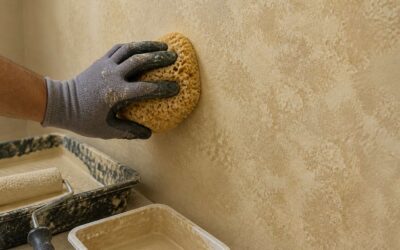
Specialty formulas carry distinct price points. Damp-blocking paint for a bathroom ceiling, textured paint that hides hairline cracks, and washable paints with a hard-wearing finish are all priced for their function rather than their colour.
- Damp-seal paint: R150 to R220 per 5 litres
- Textured coating: R140 to R200 per 5 litres
- Anti-mould wall paint: R210 to R280 per 5 litres
These are not frequent purchases. The wall paint prices at cashbuild for specialty tins feel detached from ordinary budgeting because you are buying an outcome, not a shade.
How Cashbuild Prices Compare to Other Home Improvement Retailers
Cashbuild vs. Builders Warehouse
The price tag at Cashbuild is stripped of ceremony, a raw number scrawled on grey metal. Builders Warehouse, wrapped in brighter light, asks a toll for that polish. The wall paint prices at cashbuild reflect a transactional urgency. In my own trips, I find Cashbuild’s quotes cling closer to wholesale levels. Builders Warehouse offers a wider selection, but the base tins at Cashbuild skip the retail markup overhead. This is the difference between a tradesman’s secret and a weekend project’s indulgence.
Consider how each store treats your hard-earned rand!
- Cashbuild prioritises high stock turnover for basic materials, keeping the wall paint prices at cashbuild leaner on the lower tiers.
- Builders Warehouse may bundle service and range, but you pay for the curation.
Cashbuild vs. Local Hardware Stores
I’ve spent enough afternoons in local hardware stores to respect their stubbornness. They keep odd hours and know your name. But that service costs you. When I compare wall paint prices at cashbuild against these independent shops, the gap is often wide. Cashbuild buys in volumes small stores cannot touch. The wholesale pipeline runs direct. No middleman adds a quiet surcharge.
Local shops hold their own on niche products. You might find a specialist sealer there that Cashbuild doesn’t stock. But for standard wall paint, wall paint prices at cashbuild stay leaner. I have seen smaller retailers mark up basic emulsion by 15% or more. Cashbuild works on thinner margins.
- Cashbuild moves more stock, so prices stay lean.
- Local stores offer advice, but the tin costs more.
- You miss the expertise, yet you save on the base product.
That trade matters when you buy ten tins, not one. The local hardware store has charm. Cashbuild has the better number on the shelf that day.
Evaluating Value Beyond the Ticket Price
Walk into any national home improvement retailer and the first thing you notice is the sheer shelf space devoted to paint. Yet wall paint prices at cashbuild reward patience with a different kind of consistency. Their stock turns over quickly, which means the tins you buy have not been sitting on the shelf for months.
Price alone does not capture the full picture. A litre of emulsion at another chain may seem cheaper until you account for pigments that settle or resins that separate. Cashbuild’s high rotation rate reduces that risk.
When I compare across retailers, I weigh several factors:
– Coverage per litre, which shifts with humidity.
– How the paint performs on your specific substrate.
– Waste from stirring, straining, or failed first coats.
These variables often outweigh the rand difference between stores. The real cost is the one you cannot see from the aisle.
Timing Your Purchase Around Seasonal Sales
Seasonal sales change the calculus. The wall paint prices at cashbuild may sit higher than a competitor’s mid January clearance, but that gap narrows when the annual spring promotion lands. Retailers rotate discounts on a predictable rhythm, and Cashbuild tends to follow the building cycle, not the calendar. I have seen exterior emulsions drop just before the first winter rains, while interior ranges hold steady until August.
The comparison shifts depending on when you walk through the door. A promotional price at one chain loses its shine if the stock is old. Cashbuild’s pricing advantage appears most clearly during peak building months, when supply is fresh.
- Compare the unit price after the discount, not the sticker.
- Check whether the sale applies to tinted paint or only the base.
- Watch for bundled primer and paint deals, which alter the per litre cost.
Timing your purchase around these cycles matters more than the baseline figure. The same tin can cost meaningfully less in September than in February, and that fluctuation is where the real savings live.
Practical Budgeting and Cost-Saving Tips for Buying Paint at Cashbuild
Accurately Estimating Your Paint Quanta
Getting the measure right before you queue at the counter is a genuine skill. A single litre of emulsion covers about 8 square metres on smooth plaster, yet most DIY painters overestimate their surface area by at least 30 percent, turning a simple job into a pile of unused tins. Understanding this equation is the key to making wall paint prices at cashbuild work in your favour.
Start by measuring each wall’s height and width, then subtract windows and door frames. Textured surfaces and darker colours demand an extra coat. The calculation is straightforward:
- Multiply the total square metres by the number of coats.
- Divide that figure by 8 for the litres you need.
- Round up to the nearest 2.5 litre tin, not the 20 litre drum.
This precision prevents duplicate trips that quietly inflate your budget. When you know your exact litre requirements, you can compare containers logically, avoid excess stock, and keep your project within reach.
Factoring in Coats and Wastage
The budget quietly disappears into the paint tray. Cashbuild shelves show wall paint prices at cashbuild that look reasonable, but the true cost surfaces only after a weekend of re-coats. I can vouch for this: two figures matter most, and they are not the ones printed on the shelf label. One is the cost per litre. The other is the number of coats your wall will demand. A massive drum fails to save money if you only needed three litres for a bathroom. Practical budgeting starts with plain arithmetic, not ambition.
Consider the sequence of a cost-sensitive painting session.
1. Stick to your calculated litre plan and resist the 20 litre drum for a single room.
2. Buy within the brand tier that matches your surface condition.
3. Add a 10 percent wastage margin for drip, splatter, and touch-ups.
Good. Now respect your own numbers. The right wall paint prices at cashbuild are those matched to your actual wall area and coating needs, not to the discount per kilo. Purchasing less paint, but of the correct quality and quantity, will always beat the savings of overbuying discounted stock you will never use.
Choosing the Most Economical Product for Your Needs
The budget mindset survives on clarity, not discounts. A paint purchase is economical only when its service life matches the room’s demands. A cheap tin fails if the finish fades in two years, while a workhorse product finishes its fifth year intact. The lowest shelf figure can become the costliest choice you make.
So the most economical product is rarely the lowest price. It is the one whose durability, sheen and coverage align with your tolerance for repainting. Wall paint prices at cashbuild vary widely by brand, yet service life carries the greater weight. A rental deposit tolerates basic emulsion. A family home rewards slightly richer pigment.
- The trade counter price often beats the floor display.
- A one litre test pot prevents misjudged finishes.
- Smaller tinted batches reduce leftover stock.
These quiet decisions change how the shelf tag behaves once your final accounting is done. Wall paint prices at cashbuild remain a reference point, but their economy emerges only when spending stays deliberate.
Leveraging Cashbuild’s Bulk Discount Options
Cashbuild’s bulk discount options turn a single wall paint purchase into a decision. I have watched contractors negotiate better per-litre rates by consolidating their order into one trolley. The trick is grouping your project’s needs before approaching the trade counter.
Consider how the discount scales work. A five litre tin at full price might seem sensible, but stacking ten tins for the same shade often triggers a wholesale tier. You can mix primers and sealers into the same bulk quote.
Here is what I find practical:
- Compare the bulk price against the per-litre cost of smaller containers.
- Ask about pallet pricing for larger renovation jobs.
- Request a written quote to lock in the rate for 48 hours.
Wall paint prices at cashbuild remain predictable, but the bulk counter rewards those who plan beyond the first coat.
Additional Materials That Impact Your Overall Budget
Most buyers price only the tin. The real cost sits in the accessories. Brushes, rollers, masking tape, sandpaper, and filler add up before you open the first lid. At Cashbuild, these sundries sit near the paint aisle. Their prices are competitive, but they still punch holes in a tight budget.
Here is how I keep the extras in check. Add every consumable to your quote before you pay. The trade counter can bundle sandpaper and masking tape with your paint order. That bundle often brings the wall paint prices at cashbuild into a more honest comparison with DIY stores.
– Primer and sealer costs if your wall needs patching
– Roller sleeves and tray liners for each coat
– Drop sheets to protect flooring
– Paint thinner for clean-up
Overlook these four items and your final bill jumps by fifteen percent. Budget for them first, and the wall paint prices at cashbuild stay within reach.


0 Comments