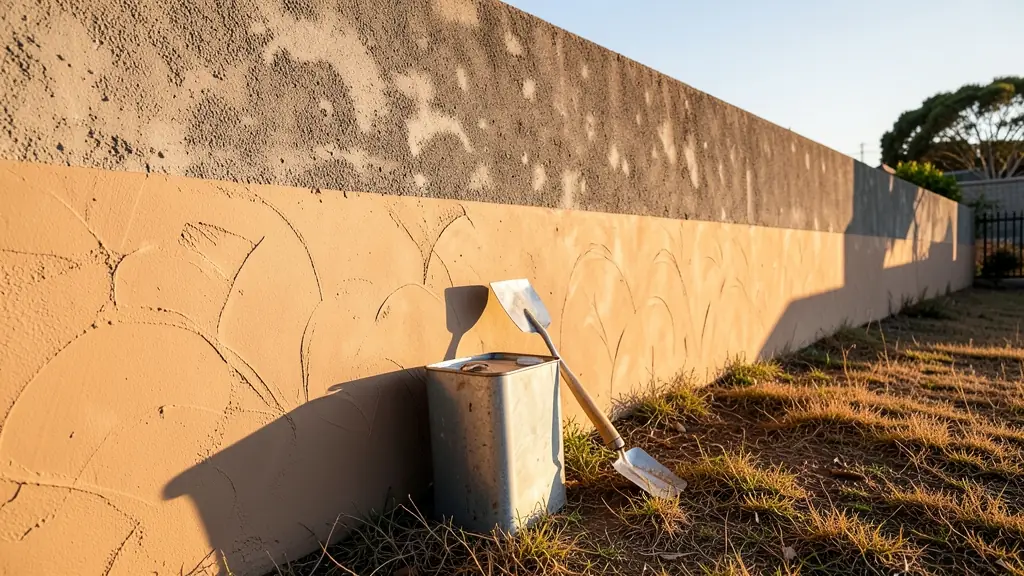
A textured wall paint is a thick acrylic coating with fine aggregate or fibres in it. It goes on heavier than ordinary paint and leaves a grain, swirl or stipple that hides patched, uneven or crazed plaster, which is why it is common on boundary walls, complexes and older houses. Most textured coats also stand up to weather better than a thin flat paint. This page covers the finishes, how they are applied, preparation and the price of 20 L tins. Send one free request and suppliers near you will quote you directly, with no obligation.
Finishes and how they are applied
- Roller texture: a fine to medium grain rolled on with a textured or sponge roller. Quick, and the easiest to touch up.
- Trowel texture: a coarser coat laid on with a steel or plastic trowel and worked into swirls, ridges or a rubbed finish. It hides the most, but needs a skilled applicator for an even look.
- Spray texture: sprayed through a hopper gun on large walls, then sometimes knocked down with a trowel.
- Stone or concrete-look coats: thinner decorative layers for feature walls and a concrete wall paint effect.
Where texture makes sense
Texture is a good choice when the plaster is the problem: patched walls, uneven render, old crazed plaster or a boundary wall built in stages. It also suits complexes and estates that want a uniform finish that hides knocks. It is less suited to small rooms and smooth modern interiors, where it collects dust and looks heavy. Texture hides fine cracks, but cracks that move or keep widening need a builder to find the cause first. If the wall gets wet from the ground, deal with the damp before coating.
Preparing and priming
Even a thick coat needs a sound base. Wash the wall, scrape off loose paint and brush off efflorescence. Fill large holes and wide cracks with plaster or filler; the texture will cover the fine ones. Prime with the product the data sheet names, usually a plaster primer, or a binder on chalky walls. Work one full wall at a time, from corner to corner, so there are no lap marks where one section dried before the next was joined. Many textured coats can be painted over later with an exterior acrylic. See primers and undercoats.
Textured paint prices and coverage
A 20 L tin of textured wall coating costs about R880 to R1,300, and a 5 L tin about R300 to R600. Coverage depends far more on the finish than on the tin: a fine roller grain goes much further than a heavy trowel finish. Ask the supplier how many m² a 20 L tin covers for the exact finish you want, and order a little extra so a whole wall comes from one batch. For smooth walls on the rest of the house, compare exterior paint.
What to include in your request
- Wall area in m², inside or outside
- Finish: fine roller, trowel or spray
- Colour, or white
- Plaster condition and crack size
- Product only, or applied by a painter
Textured Paint for different clients
- Homeowners: hiding patched or uneven plaster on the house and boundary walls
- Landlords and sellers: a durable finish that hides knocks and old repairs between tenants
- Body corporates and estates: one uniform textured finish across blocks, boundary walls and entrance features
- Shops, offices and restaurants: a hard-wearing outside finish for shopfronts, offices and guest houses
- Factories, farms and mines: a weather-resistant coat over rough blockwork on sheds and workshops
- Builders and developers: texture over new plaster or block walls where a smooth finish is not needed
- Schools, churches and public buildings: tough textured coats on school, church and municipal boundary walls
- Painters and contractors: roller and trowel textures in 20 L tins for painting and plastering crews
Frequently asked questions
Is textured paint waterproof?
Can textured paint be used inside?
Can I remove textured paint later?
Who applies textured coatings?
Textured Paint by province and city
- Johannesburg
- Pretoria
- Centurion
- Midrand
- Sandton
- Randburg
- Roodepoort
- Krugersdorp
- Randfontein
- Germiston
- Boksburg
- Benoni
- Kempton Park
- Alberton
- Vanderbijlpark
- Vereeniging
- Durban
- Pinetown
- Pietermaritzburg
- Richards Bay
- Newcastle
- Ladysmith
- Gqeberha (Port Elizabeth)
- East London
- Kariega (Uitenhage)
- Mthatha
- Cape Town
- Bellville
- Paarl
- Stellenbosch
- George
- Worcester
- eMalahleni (Witbank)
- Middelburg
- Secunda
- Mbombela (Nelspruit)
- Rustenburg
- Brits
- Klerksdorp
- Potchefstroom
- Mahikeng
- Polokwane
- Tzaneen
- Kimberley
- Upington
- Bloemfontein
- Welkom
- Sasolburg