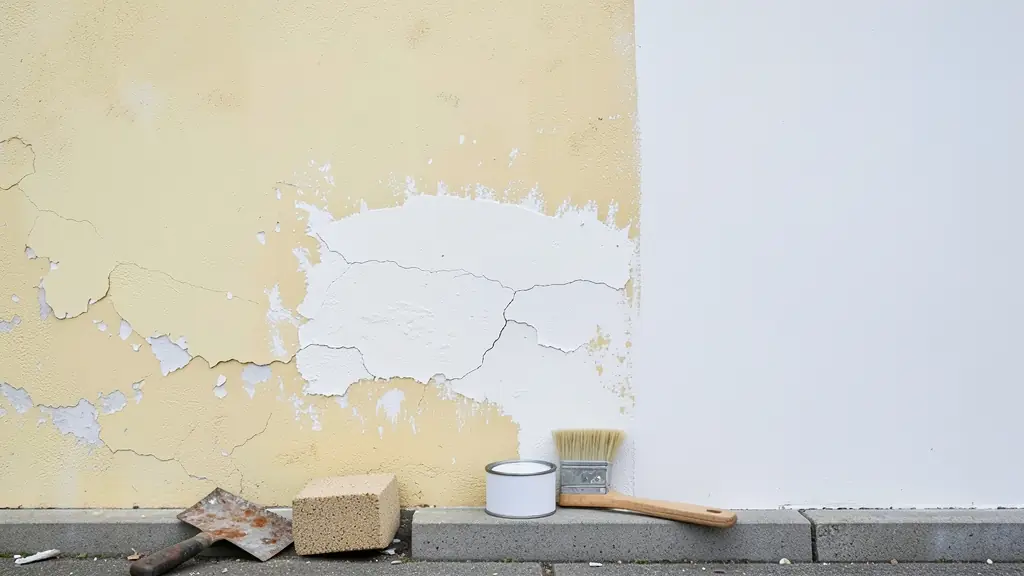
Primer is what makes paint stick and last: it seals porous plaster, resists the alkali in new cement, binds chalky old paint and stops rust. The right one depends on the surface, so choose yours below. The steps are general guidance from South African paint makers' advice; the data sheet of the product you buy always has the final word.
Primer, undercoat and sealer: the difference
- Primer goes on bare surfaces: plaster, steel, galvanising, wood. It grips the surface and gives the next coat something to hold.
- Undercoat goes between the primer or old paint and the top coat, mostly under enamel. It hides the old colour, fills the grain and helps a water based paint stick to old gloss.
- Bonding liquid binds powdery or chalky surfaces before painting.
- Sealers close porous surfaces such as tiles, bricks or concrete before a coating.
More on primers and undercoats, enamel paint and epoxy floor paint.
Painting weather
Paint dries badly when it is too cold, too hot or too damp. Do not paint outside when rain is forecast before the paint is dry, on a wall still wet from dew, or on a wall in full midday sun, which dries the paint too fast and leaves lap marks. Most water based paints also give a lowest temperature on the tin, often around 10 °C; on the Highveld in winter that rules out early mornings. Painters on the coast plan around the humidity and the wind.